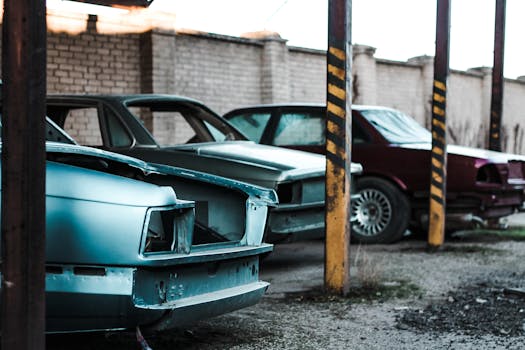

The allure of a pre-owned vehicle is undeniable: significant cost savings, a wider selection of models, and often, a more accessible entry into premium features. However, the used car market, while brimming with potential, also harbors hidden pitfalls for the unwary. Many buyers, eager to drive away in their new-to-them ride, overlook crucial due diligence, leading to expensive surprises down the road. Understanding precisely what to look for when buying a used car is not just about finding a bargain; it’s about securing a sound investment and avoiding future headaches. This isn’t about a quick glance; it’s about a thorough investigation.
Decoding the Vehicle’s History: The Paper Trail Tells a Story
Before your eyes even land on a specific vehicle, the digital and physical records should be your first port of call. A comprehensive history report is non-negotiable, providing a snapshot of the car’s life.
Vehicle History Reports (VHRs): Services like Carfax or AutoCheck are invaluable. They reveal accident history, title issues (salvage, flood, lemon titles are huge red flags), odometer discrepancies, and previous ownership. While not always exhaustive, a clean report is a strong positive indicator, and a problematic one is a clear signal to walk away or demand significant concessions.
Maintenance Records: A well-documented maintenance history is gold. It indicates a previous owner who cared for the vehicle. Look for consistent servicing at reputable shops, especially for major items like timing belt replacements or transmission fluid changes. The absence of records can be as telling as the presence of them.
The Visual Inspection: Your First Line of Defense
This is where you become a detective. Walk around the car slowly, taking in every detail. Don’t be rushed.
Exterior Scrutiny: Check for rust, especially around wheel wells, door bottoms, and the undercarriage. Uneven paint or panel gaps can signify past accident repairs. Inspect tires for even wear; an imbalance could point to suspension issues. Ensure all lights and signals function correctly.
Interior Assessment: Beyond aesthetics, feel for any unusual odors (mold, smoke). Check the condition of upholstery, headliner, and the dashboard. Test all electronic features: power windows, locks, mirrors, infotainment system, air conditioning, and heating. A malfunctioning AC in a hot climate can be a deal-breaker.
Under the Hood and Beyond: Mechanical Nuances
This is where many novice buyers falter, but a systematic approach can reveal a great deal.
Engine Compartment Check: Look for leaks (oil, coolant, brake fluid). Check fluid levels and their condition – dark, sludgy oil or cloudy coolant suggests neglect. Examine belts and hoses for cracks or wear. A cold start is preferable; listen for unusual noises, rattles, or knocks.
Exhaust Smoke: Blue smoke indicates burning oil, black smoke suggests a rich fuel mixture, and white smoke (especially on a warm engine) can point to a blown head gasket. A puff of white smoke on startup that quickly dissipates is often normal condensation.
Brakes and Suspension: Press down on each corner of the car; it should bounce once or twice and settle. Excessive bouncing indicates worn shocks or struts. Listen for grinding or squealing noises when testing the brakes.
The All-Important Test Drive: Putting Theory into Practice
A short spin around the block is insufficient. You need to simulate various driving conditions.
Varied Speeds and Road Surfaces: Drive on city streets, highways, and uneven surfaces. Does the car accelerate smoothly? Are there any hesitations or power losses? How does it handle turns? Listen for any clunks, rattles, or whining sounds from the transmission or drivetrain.
Braking Performance: Test the brakes at different speeds. The car should stop in a straight line without pulling. Feel for any pulsations in the brake pedal, which can indicate warped rotors.
Transmission Quirks: For automatic transmissions, shifting should be smooth and without hesitation. For manual transmissions, the clutch should engage smoothly, and gears should select without grinding.
The Professional Opinion: Why a Pre-Purchase Inspection is Non-Negotiable
Even with the most diligent personal inspection, some issues can only be identified by a trained eye and specialized tools. This is arguably the most critical step in what to look for when buying a used car.
Independent Mechanic’s Verdict: Before you sign anything, take the vehicle to an independent mechanic you trust. For a modest fee, they will perform a comprehensive inspection, identify potential problems, and give you an estimate for any necessary repairs. This inspection can be a powerful negotiation tool or a life-saver, preventing you from buying a lemon. I’ve often found that mechanics can spot subtle issues that the average buyer would never notice.
Negotiation Leverage: If the mechanic uncovers issues, you have concrete evidence to negotiate the price down or ask the seller to make repairs. If the cost of repairs is too high, you can walk away with minimal financial loss.
Beyond the Mechanical: Other Considerations
While the car itself is paramount, don’t neglect other aspects of the purchase.
Seller’s Demeanor and Knowledge: Is the seller forthcoming with information? Do they seem knowledgeable about the car’s history and maintenance? A hesitant or evasive seller can be a red flag.
Vehicle’s Purpose: Does the car meet your specific needs? If you plan to tow, do your research on towing capacity. If you need to transport children, assess cargo space and accessibility.
* Financing and Insurance: Understand your financing options and get insurance quotes beforehand. The total cost of ownership extends beyond the purchase price.
Wrapping Up: The Savvy Buyer’s Advantage
Ultimately, what to look for when buying a used car boils down to a blend of diligent research, meticulous inspection, and a healthy dose of skepticism. It’s about investing time upfront to save yourself significant money and stress later. A used car can be an exceptional value, but only if you approach the purchase with informed caution. By following these steps, you empower yourself to make a confident decision, ensuring your next pre-owned vehicle is a reliable companion, not a costly liability.